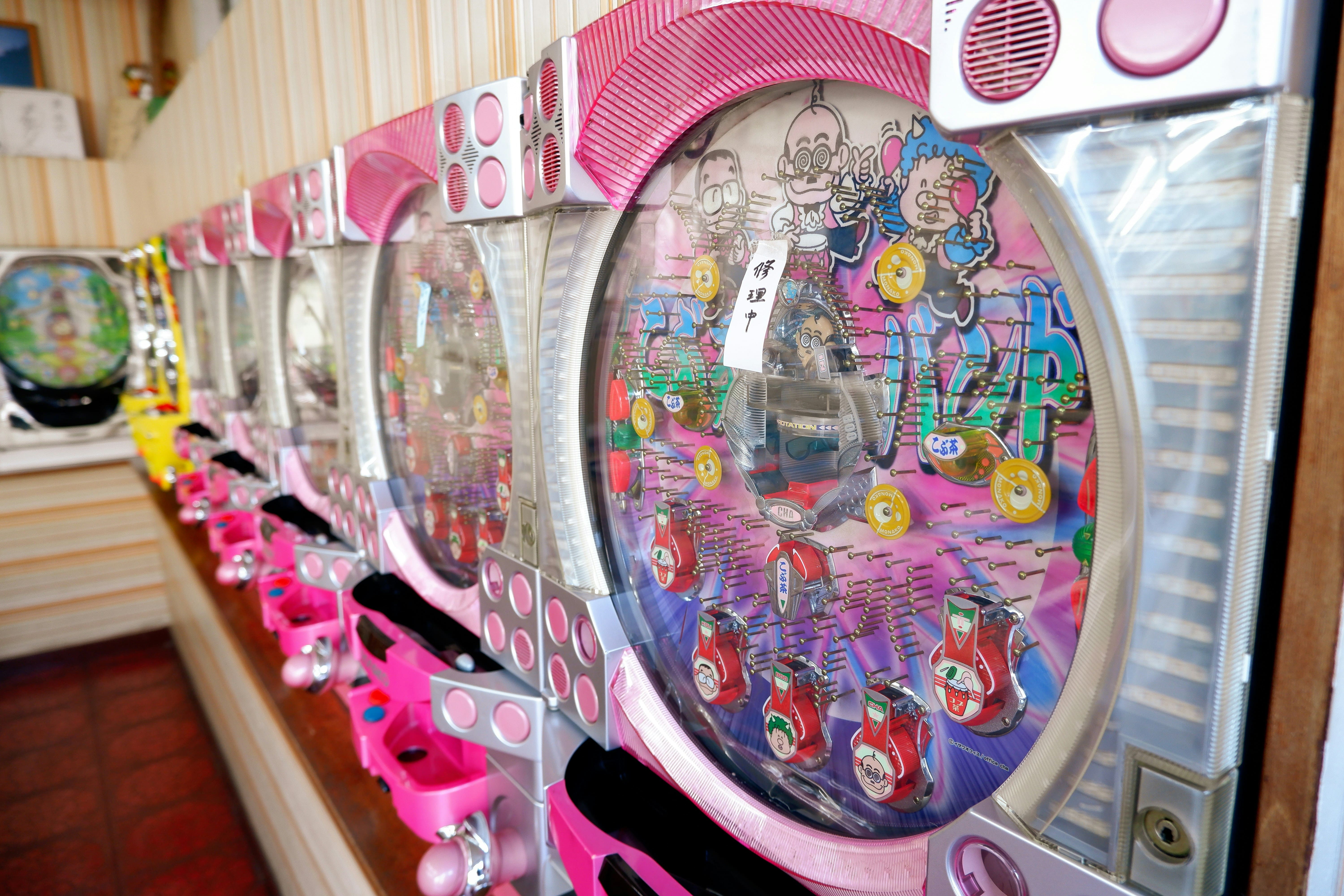
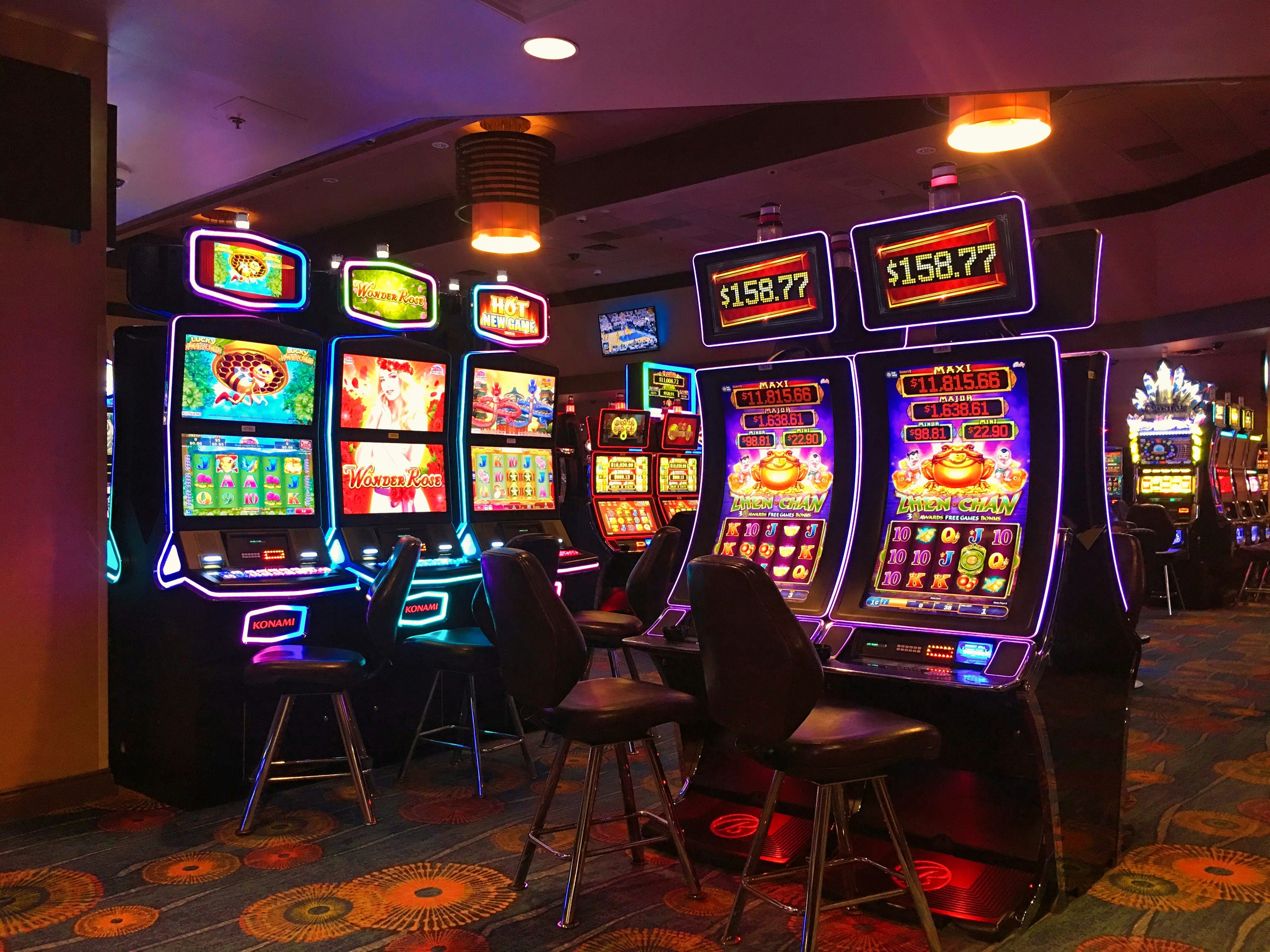
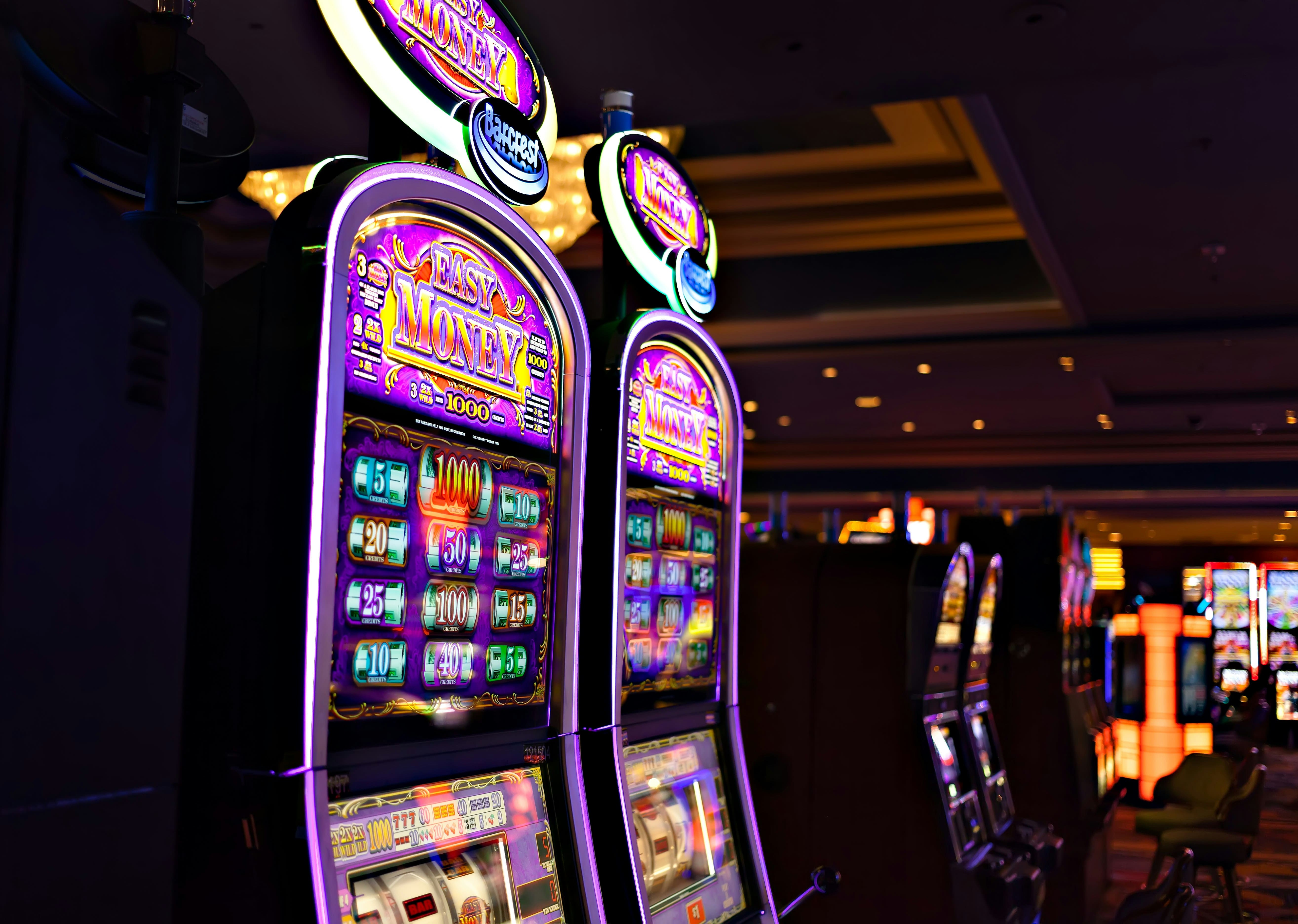
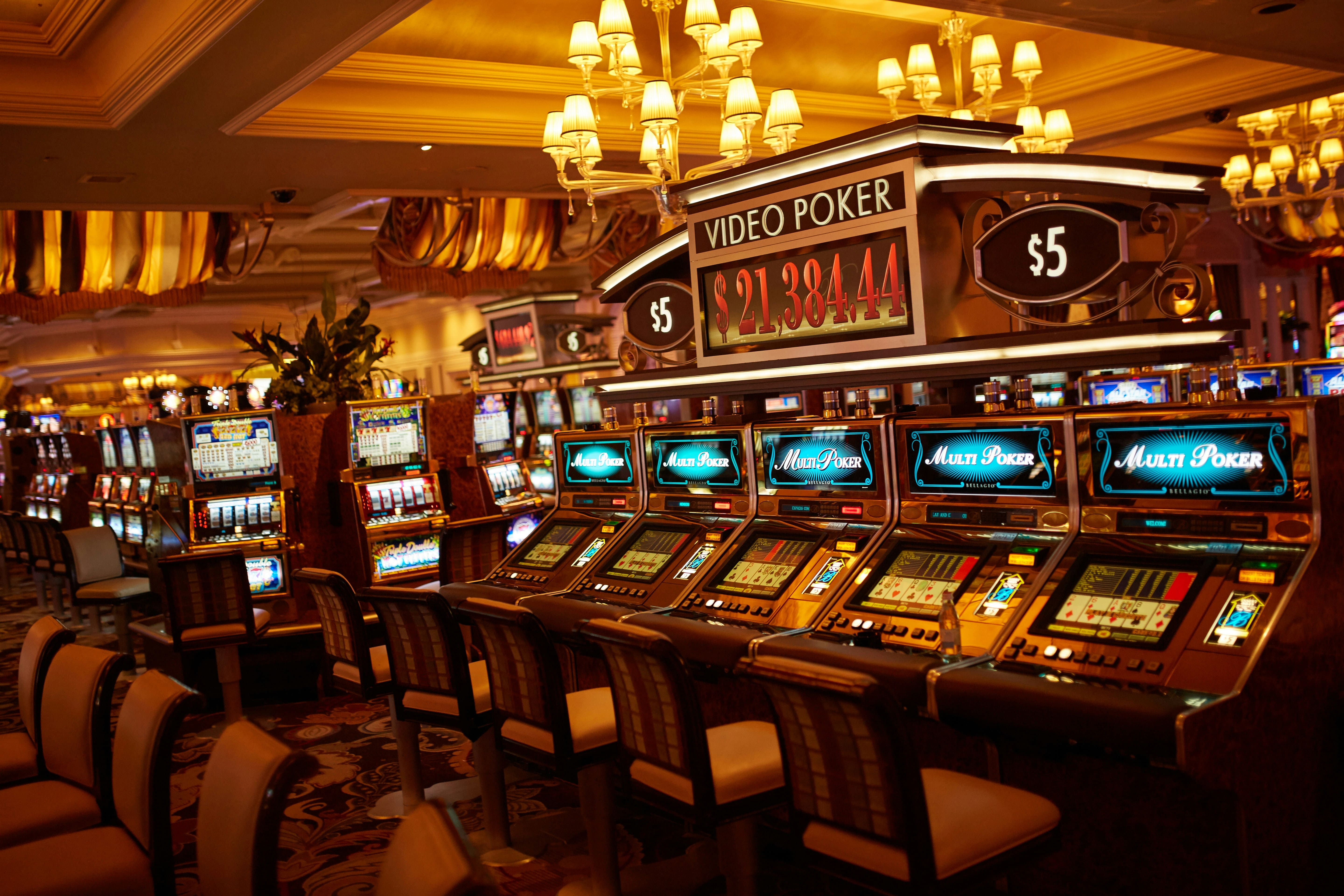
Discover pachinko as a distinctive form of entertainment deeply rooted in Japan. Across Tokyo and Osaka, mechanical design, visual rhythm, and shared environments come together to shape a leisure experience valued for atmosphere, structure, and cultural presence.
Major Japanese cities such as Tokyo and Osaka host pachinko venues within active entertainment districts. These areas blend long-established gaming concepts with contemporary presentation, creating environments that balance tradition and modern urban life.
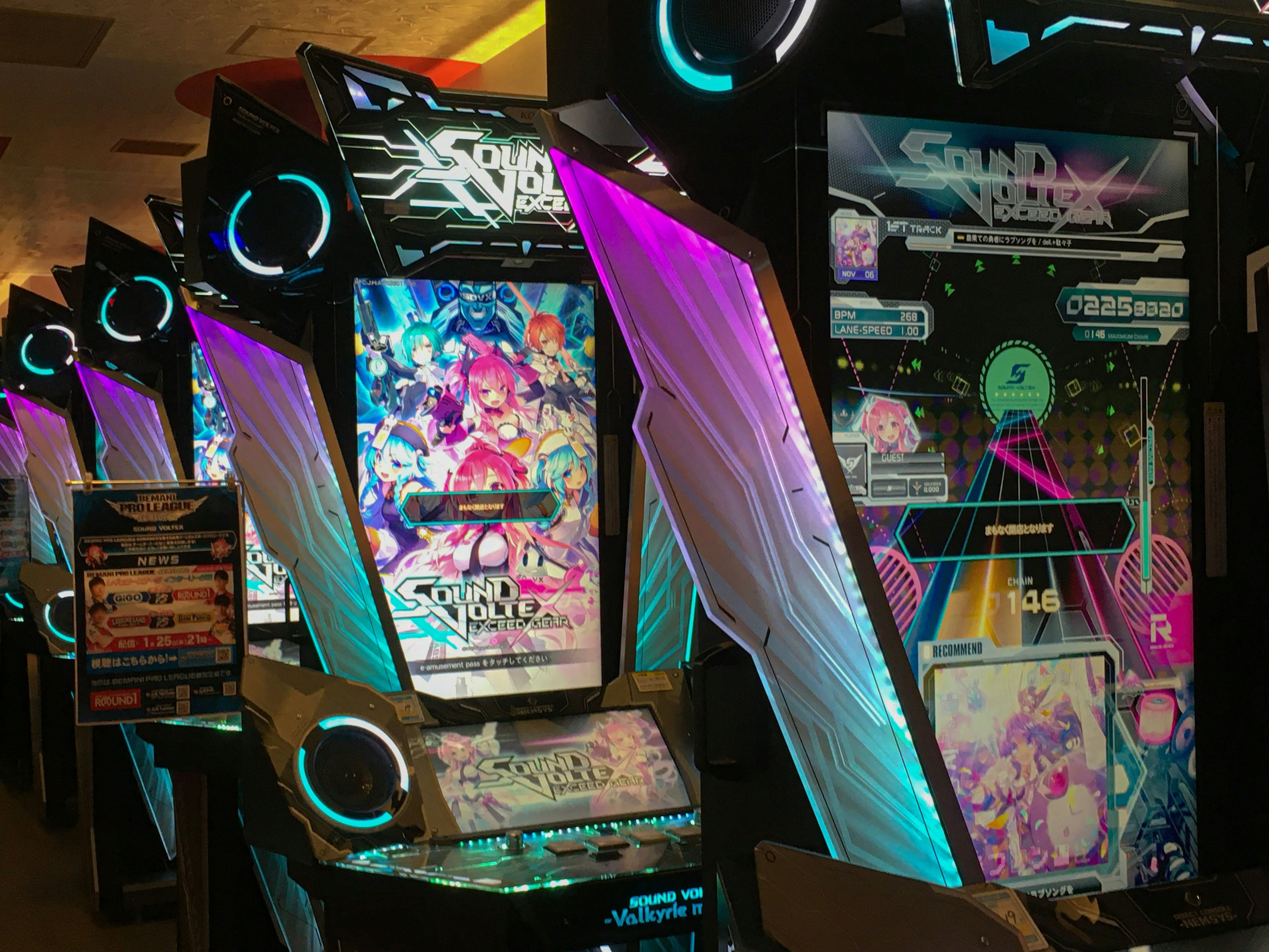
Pachinko halls located in central entertainment zones reflect the pace and energy of their surroundings. These venues are designed to support extended visits, combining accessibility, visual engagement, and steady visitor flow.
Contemporary pachinko venues emphasize comfort and operational precision. Climate-controlled interiors, ergonomic seating, and updated systems create environments focused on usability and consistency.
Long-standing pachinko halls preserve architectural layouts and operating practices developed during the early growth of the industry. These venues illustrate how the format has evolved while retaining its recognizable identity.
Pachinko venues represent a unique form of leisure culture shaped by mechanical interaction and shared public space. Originating and widely established in Japan, these environments combine sound, movement, and design to form a recognizable and immersive atmosphere.
Venues in Tokyo and Osaka operate extended hours, allowing visitors to engage at a pace that suits different schedules.
Pachinko offers perspective on a leisure format that blends technology, routine, and everyday urban culture in Japan.
Many halls function as communal spaces where visitors participate in a collective entertainment setting.
Modern pachinko systems highlight ongoing refinement in mechanical engineering and interface design.